Our Blessings
Your path to a blessing from Zion
What is the Priestly Blessing
The Priestly Blessing comes from the Torah, in Numbers 6:22–27, where God instructs Moses to teach Aaron and his sons to bless the people of Israel. The blessing consists of three short verses:"May the Lord bless you and guard you.May the Lord make His face shine upon you and be gracious to you.May the Lord lift His face toward you and grant you peace."
How the Blessing is Performed
What is the Priestly Blessing
The blessing is given in the Book of Numbers to the people of Israel and expresses God's protection, grace, and peace. God instructs the priests to bless the people with the words: "May the Lord bless you and protect you; May the Lord shine His face upon you; and grant you peace." The Kohanim serve as messengers through whom divine blessing flows to the community.In Jewish prayer, the Priestly Blessing is recited during the morning prayer service within the central standing prayer known as the Amidah. In Israel, this blessing is performed daily. Outside of Israel it is traditionally recited only on the major festivals.During the service, the Kohanim who are present in the 10-person prayer quorum prepare themselves by washing their hands. They then move to the front of the congregation. Covering their heads with their prayer shawls (tallit), they begin with a special opening blessing.
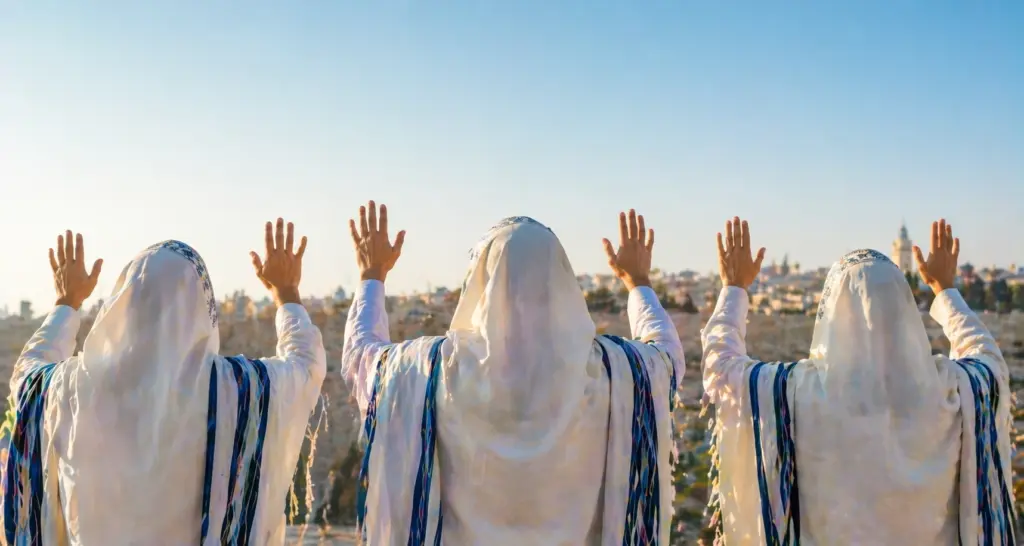
The Priestly Blessing is also called "lifting of the hands" (Nesiat Kapayim) because the Kohanim raise their hands toward the congregation with their fingers arranged in a distinctive formation passed down through the generations. The prayer leader (chazzan) recites each word of the three verses aloud, and the Kohanim repeat the words together. After each verse, the congregation responds with "Amen," affirming and receiving the blessing.On the festivals of Passover and Sukkot, a remarkable gathering takes place at the Western Wall in Jerusalem. Thousands of Kohanim assemble to recite the blessing together over the assembled crowd. This tradition was revived in the 1970s by Rabbi Menachem Mendel Gafner and has since become one of the most powerful and moving moments in the Jewish calendar.
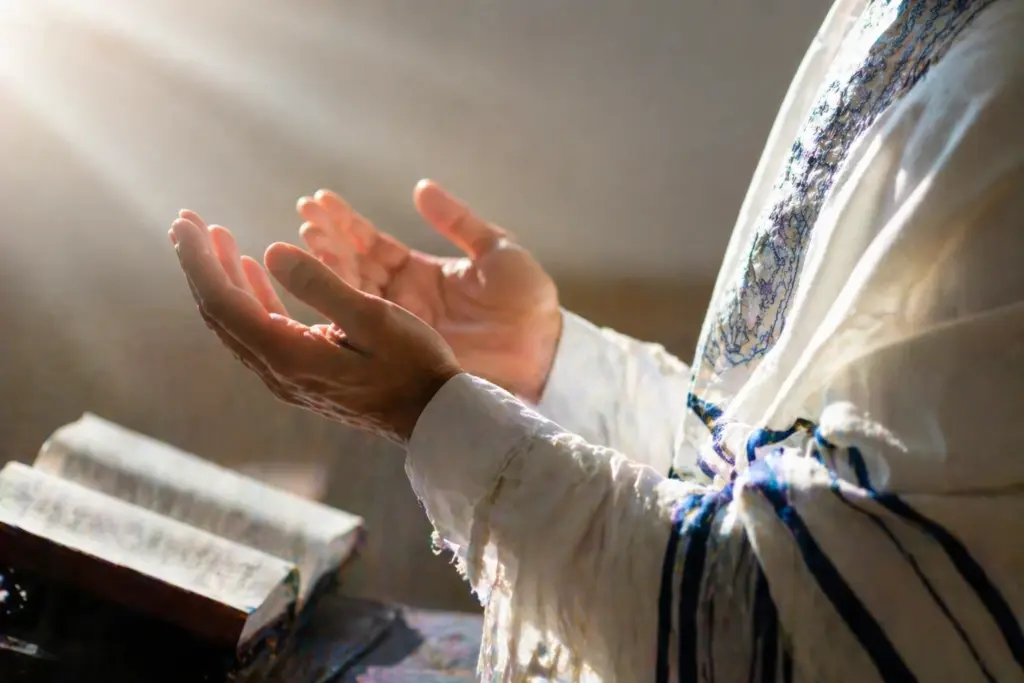
The first verse speaks to material well-being and protection. It asks that a person's livelihood, home, and security be blessed and safeguarded. As the great medieval commentator Rashi explained, the blessing refers to one's possessions being blessed and protected from loss or harm. Each person receives the blessing according to what is appropriate for them, whether in their work, their learning, their family life, or their daily needs.The second verse moves from material life to the life of the soul. When the blessing asks that God's face "shine upon you," it refers to divine grace, wisdom, and favor. In Hebrew, the word for grace, chen, also carries the sense of beauty, understanding, and favor in the eyes of others. Scripture often speaks of individuals such as Joseph, Esther, and Daniel finding this favor. It reflects the ability to form meaningful relationships and to perceive deeper spiritual truths.
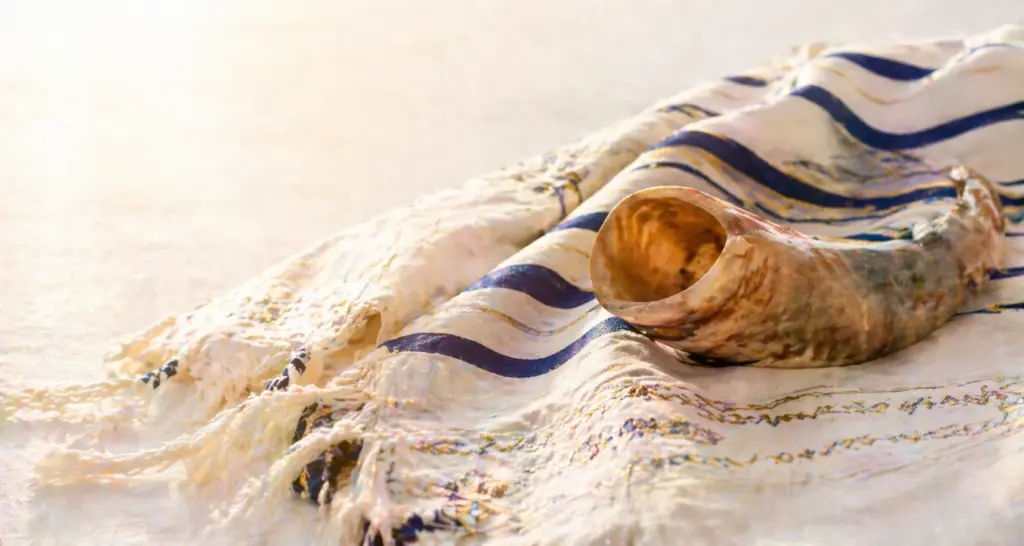
Finally, the third verse speaks of the highest level: a personal relationship with the Creator. When the blessing says that God will "lift His face toward you," it expresses the idea that divine attention and care are directed personally toward each individual. It affirms that the Creator is not distant or indifferent, but attentive to the lives and needs of every person.The blessing concludes with the word shalom, peace. In Hebrew, shalom means far more than the absence of conflict. It shares a root with words meaning wholeness, completion, and fulfillment. True peace is a state in which all aspects of life: material, emotional, and spiritual, are brought into harmony. In this way, the Priestly Blessing forms a journey: from physical well-being to spiritual insight, and ultimately to a deeper connection with the Creator. It is a timeless expression of humanity's longing for protection, grace, and peace.
Step One
Choose Your Blessing
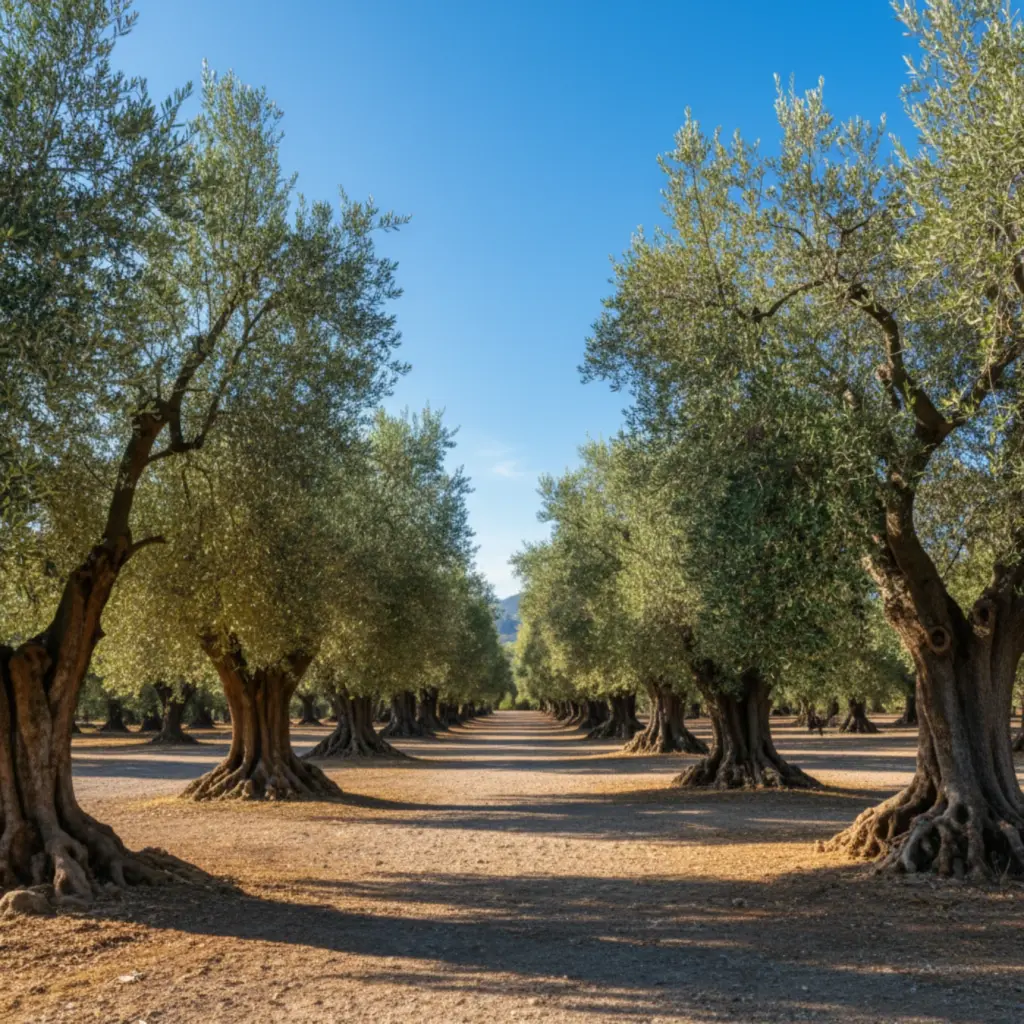
Every blessing begins with a specific intention. Whether you seek healing, protection, abundance, or gratitude, choose the area of life where you long for the Lord’s blessing. Our prayers are rooted in the ancient Priestly Blessing (Birkat Kohanim) carried by Kohanim for over three thousand years.
Step Two
Pick a Sacred Biblical Site
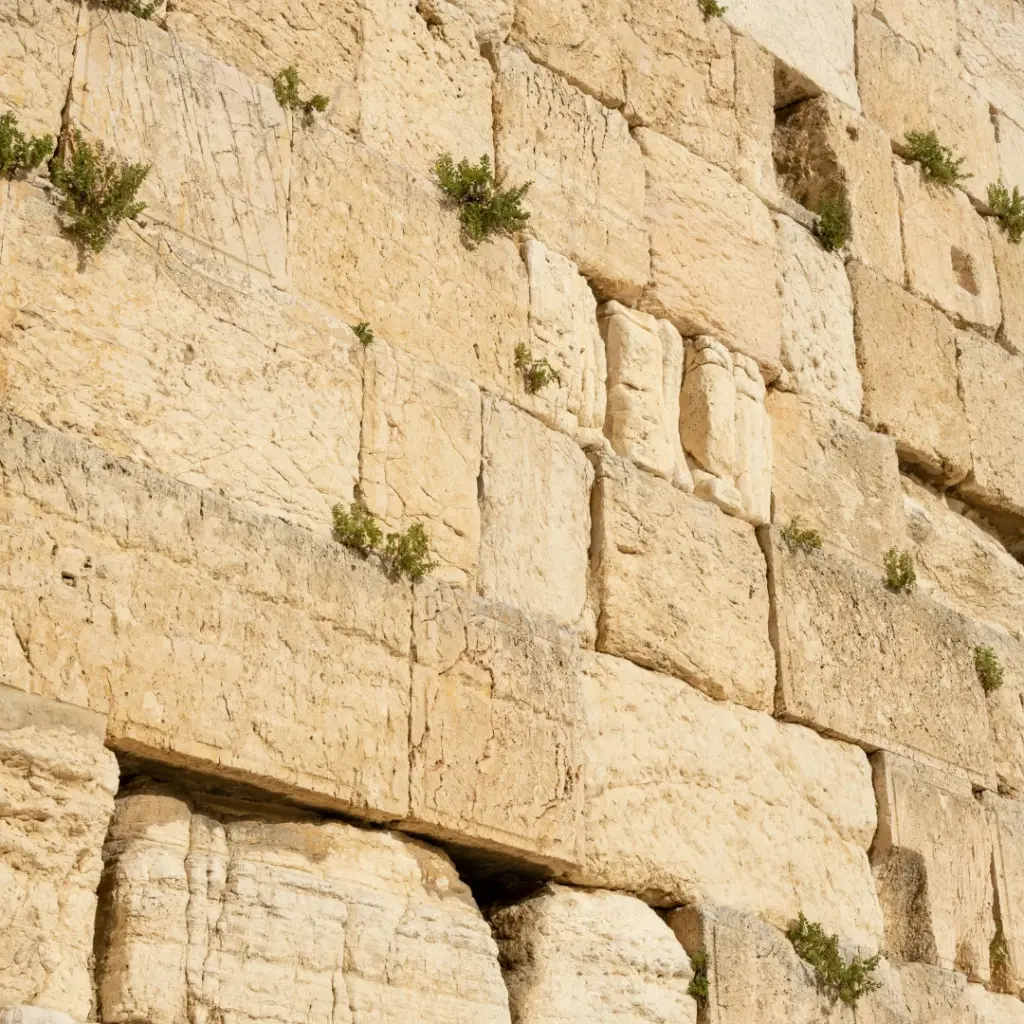
Select the biblical site in the Land of Israel where your blessing will be recited – from the enduring stones of the Western Wall, to the Mount of Olives where King David ascended in prayer, to Shiloh where Hannah poured out her heart and the Tabernacle once stood. Each location carries its own scriptural significance.
Step Three
The Priestly Blessing
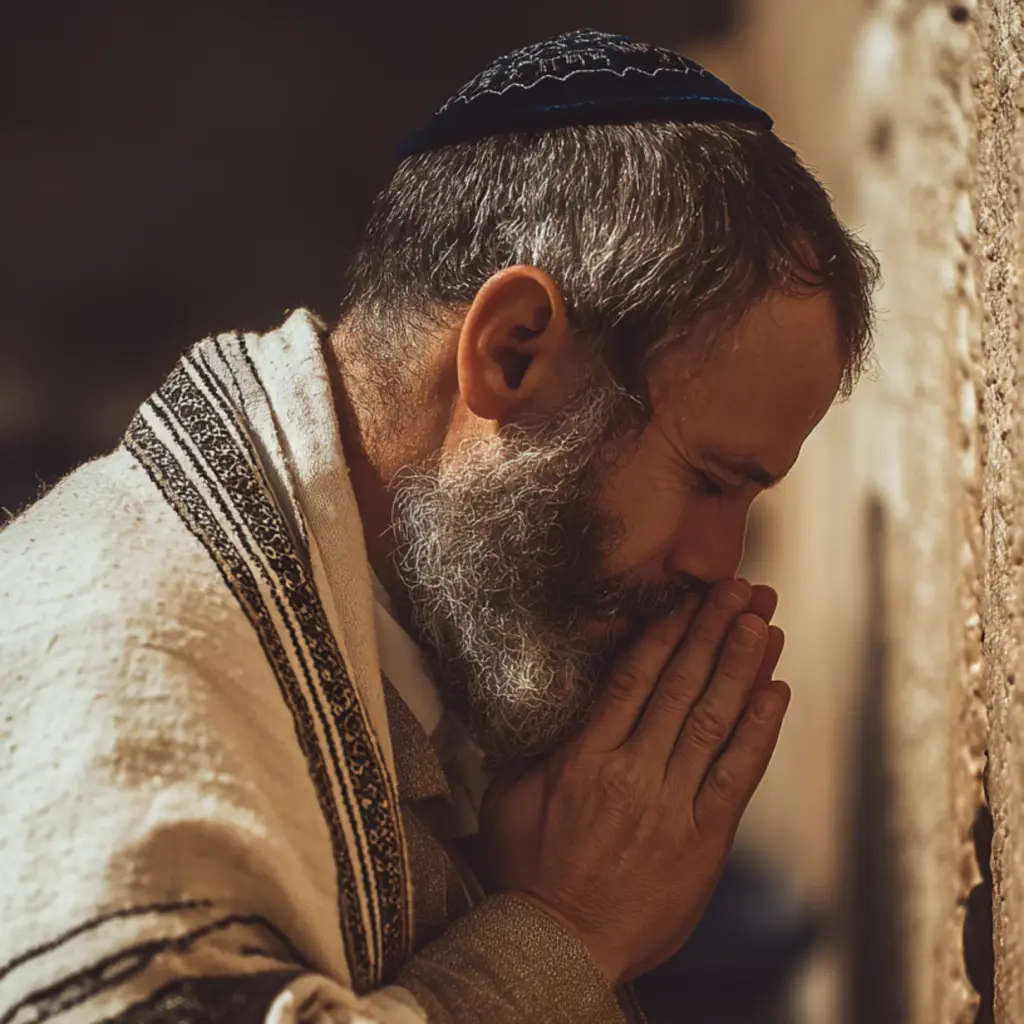
A Kohen, a descendant of Aaron the High Priest, recites the Priestly Blessing for you at the chosen sacred site. Your name and personal intentions are lifted before the Lord, exactly as commanded in the Book of Numbers: “May the Lord bless you and keep you; the Lord make His face shine upon you and be gracious to you; the Lord lift up His countenance upon you and give you peace.”
Step Four
Delivered Directly to You
Receive a digital confirmation, a high-quality video of your blessing recited at the sacred site, and – if requested – a parchment certificate inscribed by a certified Torah scribe and delivered to your home.